Serving Mountain View, CA and surrounding areas. (650) 582-0077
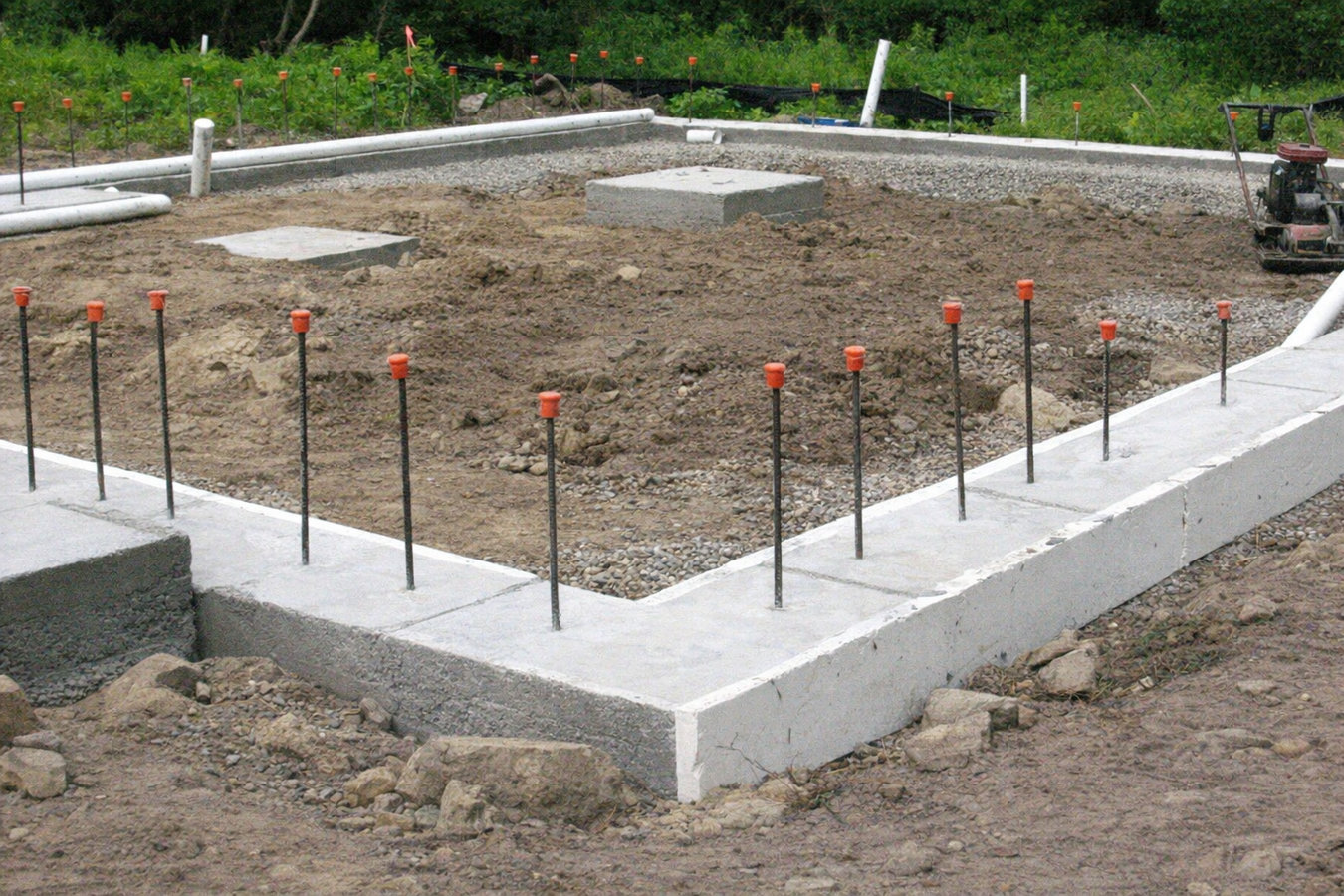
Building a deck, addition, or ADU on Bay Area soil without the right footings is a gamble. We dig to stable ground, place steel rebar, handle the city permit, and pass the inspection before we pour.
Concrete footings in Mountain View are the underground base that supports everything built above them - a deck, a room addition, a retaining wall, or an accessory dwelling unit - and a typical residential footing project takes one to three days to pour once the permit is approved, with a full cure time of about 28 days before framing begins on top.
In Mountain View, getting footings right matters more than in many other markets. The soils closer to the bay and Highway 101 can compress and shift in ways that stress a footing built to generic specifications. Combined with the Bay Area seismic requirements that govern how much steel goes in and how the footing ties to the structure above, this is not work to hand to someone who has not done it here before. If you are also considering a larger structural project, our foundation installation service covers full foundation pours for new structures and additions.
Whether you are adding a deck, building an ADU in your backyard, or responding to a home inspection that flagged footing concerns, we can walk the site, tell you what is actually needed, and give you a written estimate before any work begins.
If a structure that used to be straight is now noticeably tilted, the footing underneath it has likely shifted or deteriorated. In Mountain View's older neighborhoods, many decks and fences were built decades ago on footings that were not designed to current standards. A lean that gets worse after the rainy season is a sign the footing is no longer doing its job.
Any new structure attached to or near your home needs proper footings before anything else can be built. With Mountain View's strong demand for accessory dwelling units, many homeowners are discovering that their existing slab or soil is not ready to support new construction without new footings first.
Hairline cracks in concrete are common and often harmless. But cracks wider than a pencil, that run diagonally, or that are getting larger over time suggest the footing below is moving. Mountain View clay soils expand when wet and shrink when dry, and that seasonal movement stresses footings that were not built deep enough.
If you are buying a home in Mountain View and the inspector noted footing issues, cracked stem walls, or signs of settlement, do not dismiss it as boilerplate language. These are real structural concerns that affect your home safety and resale value. Getting a concrete contractor to assess the specific footing condition gives you a clear picture of what repair or replacement would actually cost.
We handle every step of the footing process - from the permit application to the city inspection to the pour itself. We dig or bore to the required depth in stable, undisturbed soil, set up wood forms to shape the concrete, place the steel rebar required for Bay Area seismic loads, and hold for the city inspector before any concrete goes in. That inspection is not a formality; it is how you get an independent confirmation the work meets code. For larger structural projects, our foundation raising team can address elevation and leveling needs as part of the same project scope.
We work on a wide range of residential projects throughout Mountain View - decks, covered patios, room additions, ADUs, retaining walls, and fence posts that need a proper concrete base. We can also assess existing footings that a home inspector or structural engineer has flagged, and give you an honest opinion on whether repair or replacement is the right call.
The right choice for any structure being added to a property - we design the footing depth and width to match the load and local soil conditions.
Suited to Mountain View homeowners building backyard ADUs or detached structures where a permitted footing is required before framing begins.
For retaining walls holding back soil on a sloped lot - we size the footing to handle the lateral pressure and meet city structural requirements.
For older homes where existing footings have shifted, cracked, or been flagged in an inspection - we assess the condition and recommend repair or replacement based on what is actually there.
Mountain View has two soil challenges that contractors working here for the first time often underestimate. The first is the clay-heavy soil across much of the Santa Clara Valley - clay swells when wet and shrinks when dry, creating seasonal movement that stresses footings not designed for it. The second is the bay mud and alluvial deposits in neighborhoods closer to Highway 101 and the shoreline, which compress under load and can cause a footing to settle unevenly after the first wet season. We ask about your specific location before quoting any footing project, and we recommend a soils report for larger structures when the site conditions warrant it. Property owners in Palo Alto and Los Altos face similar soil variability, and we bring the same site-specific approach to every job across the area.
The Bay Area seismic environment adds another layer. Mountain View sits in one of the most active seismic regions in the country, and local building requirements specify how much steel reinforcement goes into a footing and how it ties to the structure above. A footing that meets the minimum elsewhere in California may not meet the standard here. We build to the local seismic requirements on every job, which means your deck, addition, or ADU has the best chance of staying intact when the ground moves. For more on Bay Area seismic conditions, the USGS Earthquake Hazards Program publishes current hazard maps and data for this region.
We reply within one business day. A few questions about what you are building and where on your property helps us tell you whether a site visit is needed before we can give you a realistic ballpark.
We come to your property, check access and soil conditions, and take measurements. You receive a written estimate that breaks down labor, materials, and permit fees - no line items that appear later.
We handle the City of Mountain View permit application on your behalf. The city review typically takes two to four weeks. We confirm your start date once the permit is approved so you can plan around it.
The crew digs to the required depth, sets forms, and places the steel rebar. The city inspector visits before any concrete is poured - that inspection is how you know the work was done right. After the pour, the footing needs about a week before framing begins.
Free on-site estimate. Written quote. We handle the permit and pass the inspection before we pour - so your project starts on solid ground.
(650) 582-0077We ask about your specific location in Mountain View before quoting any footing project. Neighborhoods closer to the bay have different soil behavior than the hillside areas, and we design footing depth and width accordingly - not just to a generic minimum.
Bay Area building requirements mandate more steel reinforcement in footings than many other California regions. We build to the local seismic standard on every job, because a footing that meets a lesser standard is not adequate here.
We submit the permit application to the City of Mountain View Building and Safety Division on your behalf and coordinate the required inspection before the concrete pour. You get a permit number you can track, and the inspection gives you an independent record that the work was done correctly. The Association of Bay Area Governments hazard maps show why proper depth and reinforcement matter in this specific region.
Unpermitted footing work is one of the most common deal-killers in Mountain View real estate transactions. We pull permits on every project, which protects your home value and means the work is on record with the city if you ever need to refinance or sell.
Footings are the part of the project you will never see once it is finished - which is exactly why getting them right matters so much. Every decision we make on a footing job is aimed at one outcome: a structure that stays where it is supposed to stay for the life of your home.
Lifting and releveling an existing foundation that has settled unevenly - often the next step after a footing assessment reveals movement.
Learn MoreFull foundation pours for new structures and additions where a complete structural base is needed, not just individual footings.
Learn MorePermit season fills up fast - reach out today for a free estimate and lock in your start date before the summer building window closes.