Serving Mountain View, CA and surrounding areas. (650) 582-0077
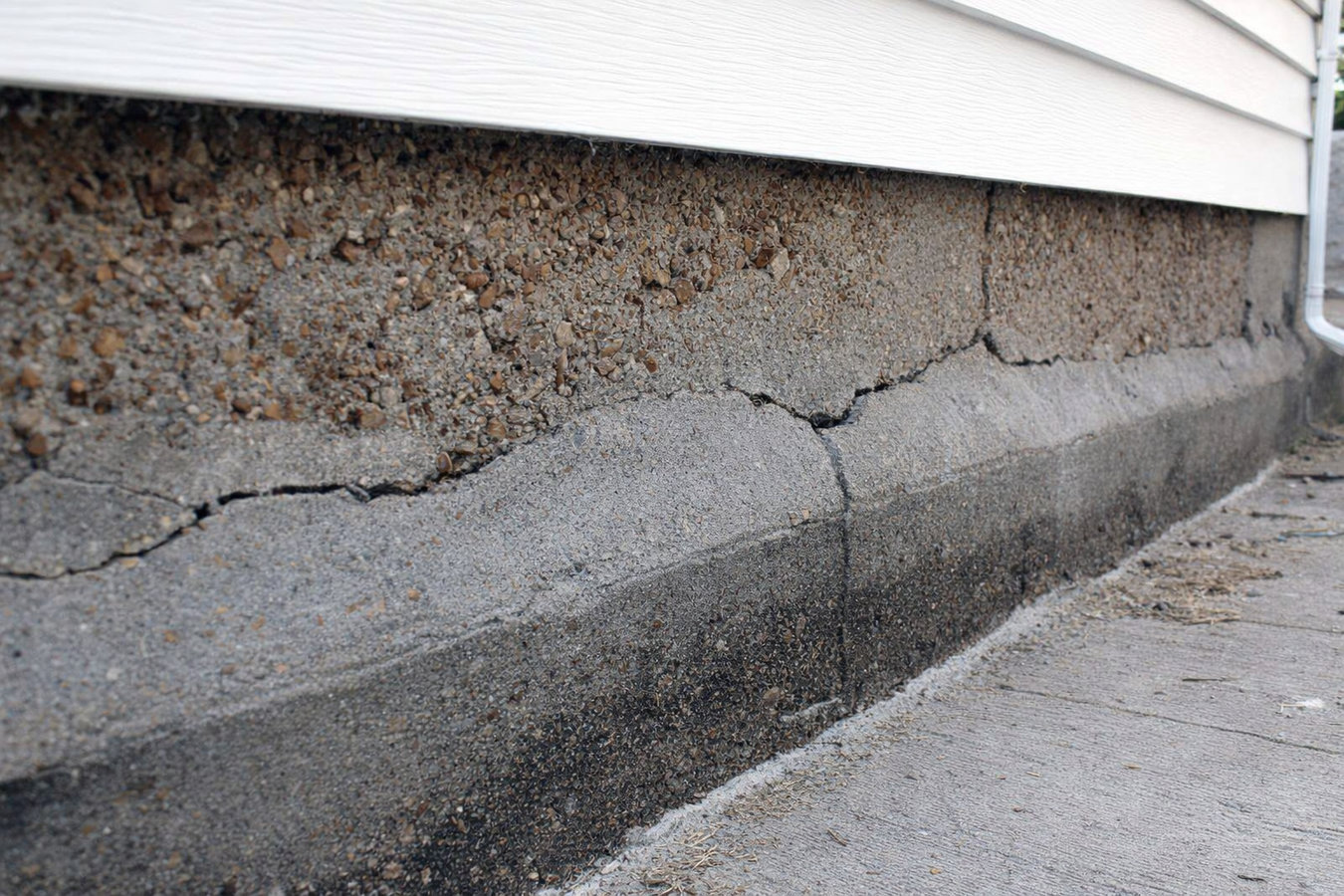
Bay Area clay soil shifts every season, and settled foundations follow. We lift your home back to level, handle the city permit, and back the work with a written warranty.
Foundation raising in Mountain View lifts a settled or sunken foundation back to its original level by installing supports beneath it or injecting material that expands and pushes the slab up - most residential projects take one to three days of active work once the city permit is approved, with the preparation and permit timeline adding one to two weeks before the crew arrives.
If your doors are sticking, your floors feel sloped, or you are seeing diagonal cracks opening up near door frames, your foundation may have settled - and in Mountain View, the underlying cause is almost always the clay-heavy Bay Area soil that swells in wet winters and shrinks in dry summers. That push-and-pull cycle is relentless, and foundations that were not built deep enough, or on properly prepared soil, feel it most. For homeowners whose settlement is tied to a deeper structural issue, our slab foundation building team can assess whether a full slab repair or replacement is the better long-term path.
Foundation work is one of the more anxiety-inducing repairs a homeowner can face - the cost is real, the work is underground and invisible, and the stakes feel high. We walk you through every step before work begins, give you a written estimate, and pull the required city permit so the work is inspected and documented. Call or send a message and we will set up a site visit within one business day.
If interior doors that used to swing freely now drag on the floor or refuse to latch, the frame around them has likely shifted. In Mountain View, this symptom often appears after a dry summer when clay soil contracts and the foundation drops in response. It is easy to dismiss as a humidity issue, but if multiple doors and windows are affected at once, the foundation is worth a look.
Cracks running diagonally from the corners of door frames or windows toward the ceiling are a classic sign of uneven foundation movement. Hairline cracks in drywall are common and often harmless, but cracks wider than a quarter-inch, or cracks that are still growing, suggest the structure below is still moving. In older Mountain View homes built before modern standards, these can develop gradually over years.
If a marble rolls consistently in one direction across your floor, your home may have developed a slope from foundation settling. You might also notice it while walking - a subtle but persistent feeling that one part of the house sits lower than another. This is especially common in Mountain View homes on clay-heavy soil, where uneven drying can cause one corner of a foundation to drop while others stay put.
When a foundation settles unevenly, the house above shifts - and that movement often shows up as gaps where walls meet ceilings or where baseboards pull away from the floor. These gaps can appear gradually over months, so homeowners sometimes notice them only during painting or renovation. Gaps appearing in multiple rooms at the same time point toward a foundation problem rather than normal settling.
We start with an on-site assessment - walking the property inside and out, measuring any floor slope, and evaluating the soil conditions around the foundation perimeter. From that visit, we recommend the method that fits your specific situation: pier installation drives supports deep into stable soil below the problem zone and is the right approach for significant settling; slab lifting pumps material beneath a sunken concrete slab to fill voids and push it back up, and works well for smaller or more localized problems. If the assessment points to a broader structural need, we can coordinate with our concrete cutting team when access work is needed as part of the repair scope.
Every project includes a written estimate before work begins, a city building permit application that we handle on your behalf, and a post-completion warranty on both the labor and materials. We schedule the city inspection as part of the process - not as an afterthought - so the work is on record and documented for your files. That documentation matters more in Mountain View, where home values and buyer scrutiny are both high.
Suited to homes with significant settling where supports need to reach stable soil well below the surface - the longer-lasting solution for serious foundation movement.
The right approach for localized sunken slabs - like a garage floor or a section of the foundation perimeter - where injecting material fills voids and raises the slab back into position.
For homeowners who see symptoms but are not sure of the cause - we walk the site, measure slope and cracks, and give you a plain-language explanation of what we find before recommending any work.
For any home where documented, city-inspected work is important - which in Mountain View's high-value market is essentially every home - we handle the permit process from application to final sign-off.
Mountain View sits on expansive Bay Area clay soils that swell when wet and contract when dry - a cycle California seasons repeat every year without fail. That constant movement is the primary reason foundations settle here, and it is why a contractor who does not account for local soil behavior when choosing a repair method may be setting you up for the same problem in a few years. Many of the homes most affected are in older neighborhoods - homes built in the 1940s through 1960s before modern foundation standards were in place often have shallower foundations that are more vulnerable to this seasonal stress. Homeowners in Sunnyvale and Santa Clara face the same clay soil conditions, and we bring the same site-specific approach across the entire South Bay.
The seismic environment adds a second layer. Mountain View sits near active fault systems, and a settled or uneven foundation is more vulnerable when the ground shakes. Raising and stabilizing the foundation now reduces the risk of serious structural damage in a seismic event - and because the City of Mountain View requires a permit and inspection for foundation work, the repair is documented and on record. The Association of Bay Area Governments earthquake hazards program publishes regional risk maps that are worth reviewing before starting any foundation project in this area.
We ask a few basic questions - how old is your home, what symptoms are you seeing, and whether you have had any prior foundation work. This takes 10 to 15 minutes and helps us decide whether a site visit makes sense before giving you any numbers. You reply within one business day.
We walk the property inside and out, measure any floor slope, check for cracks, and assess soil conditions around the perimeter. After the visit, we give you a written estimate that explains what we found, what we recommend, and why - not just a dollar figure.
We handle the City of Mountain View building permit application on your behalf. The permit review typically takes one to two weeks. Once it is approved, we schedule the work day and give you a clear list of what to prepare before the crew arrives.
The crew installs supports or injects lifting material, monitors the lift carefully to avoid over-correcting, and holds for the city inspection before wrapping up. We patch all access holes, clean up the work area, and hand you warranty documents in writing before leaving.
We visit your Mountain View home, assess what is actually happening, and give you a written estimate with no obligation - so you can make an informed decision at your own pace.
(650) 582-0077In Mountain View, foundation raising requires a city building permit and inspection - and we handle that process on every job, without exception. That means the city independently verifies the work meets current safety standards, and you receive documentation that protects your home's value when you sell.
One of the biggest fears in foundation work is a low quote that climbs once the crew is on-site. We assess your foundation thoroughly before we quote, so the number you agree to at the start is the number you pay at the end - barring something genuinely unexpected, which we discuss with you before proceeding.
Mountain View sits on expansive clay soils near active fault systems. We factor both the soil behavior and the local seismic requirements into every repair plan. A contractor unfamiliar with Bay Area conditions may fix the symptom without addressing the underlying cause - we have seen that outcome and we design to avoid it. The{" "} California Geological Survey publishes data on Bay Area soil and seismic conditions at{" "}<a href="https://www.conservation.ca.gov/cgs" target="_blank" rel="noopener noreferrer" className="text-primary underline underline-offset-4 hover:text-primary/80">conservation.ca.gov/cgs</a>.
Foundation work happens underground, out of sight, and involves decisions most homeowners do not feel equipped to evaluate on their own. We walk you through every step - before, during, and after - in plain terms, so you understand what was done and can explain it to your real estate agent or a future buyer without needing a contractor to translate.
Every one of those points connects to the same thing: a foundation repair that holds up over time, is documented properly, and does not come with surprises. In a market like Mountain View, where home values are high and buyers look closely at foundation history, that level of care is the difference between a smooth sale and a renegotiated price.
When foundation access work requires opening a slab, our concrete cutting team creates clean, precise openings without disturbing the surrounding concrete.
Learn MoreFor projects where the existing slab is beyond repair, we pour new slab foundations sized and reinforced for Bay Area soil and seismic conditions.
Learn MoreEvery wet season without a repair is another cycle of soil movement working against your foundation - reach out now and we will set up a site visit within one business day.