Serving Mountain View, CA and surrounding areas. (650) 582-0077
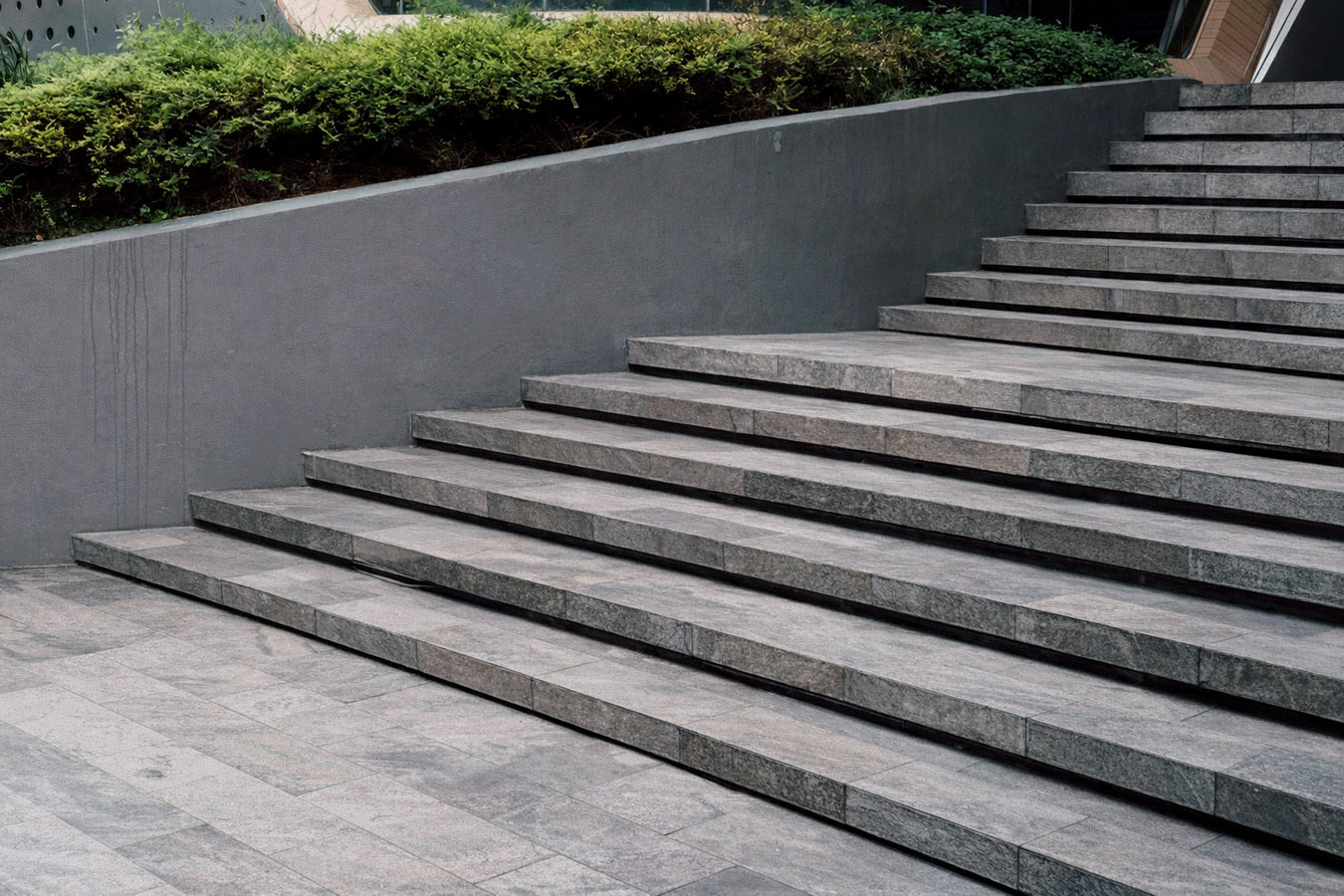
Old steps that crack, shift, or collect puddles are a safety problem. We build reinforced, permitted concrete steps that hold up through Bay Area soil movement and weather.
Concrete steps construction in Mountain View typically takes one to two days of active work on site, with light foot traffic possible after 24 to 48 hours and normal use resuming within a few days - most homeowners plan to use a side or back entrance during that window.
A large share of Mountain View's housing stock was built in the 1950s through 1970s, and many of those original concrete steps are now at or past the end of their useful life. Cracks, surface spalling, and shifting are common - and in a market where home values are high, the condition of your front entry matters more than most homeowners expect.
Steps often connect to a slab foundation or lead directly to a front walkway. We plan the full entry sequence when the project calls for it, so the finished result looks intentional rather than patched together.
If you can see cracks wider than a hairline - roughly the thickness of a credit card - your steps have likely moved or settled beyond what a surface patch can fix. In Mountain View, clay-heavy soils in some neighborhoods cause this kind of cracking as the ground shifts with the seasons. Cracks that have been there for years and keep growing signal that the underlying base has failed.
When the top layer of concrete starts to peel away in chips or flakes, the surface has broken down beyond safe repair. This is especially common on steps poured in the 1950s through 1970s - a large portion of Mountain View's housing stock - when concrete mixes were less durable than what is used today. Once the surface starts going, it accelerates quickly.
Each step should slope slightly forward so rainwater runs off the edge. If you notice puddles sitting on your steps after Mountain View's winter rains, the steps have either settled out of level or were never built with proper drainage in mind. Standing water makes steps slippery and speeds up surface deterioration.
If you can feel movement when you step on them, or you can see a gap opening between the steps and your front door threshold, the structure has separated from its base. This is a safety issue, not a cosmetic one - a shifted step can catch a foot and cause a fall. This one should not wait.
We build new concrete steps and replace existing ones - whether the current steps are concrete, wood, brick, or in need of a complete start-over. Every set of steps we build includes steel reinforcement inside the concrete and a properly compacted gravel base underneath, because those two elements are what keep steps from cracking when Mountain View's clay soils do what they always do. We also build the treads with a slight forward slope so rainwater runs off the edge rather than pooling on the surface.
For finish, we work through the options with you. A broom finish gives bare shoes reliable grip in wet conditions. Exposed aggregate adds natural texture and visual interest. Stamped concrete gives you the look of stone or brick without the material cost. Steps often lead directly to a concrete sidewalk, and we can build both surfaces together so they share the same finish and grade. When steps connect to the structure of a home, we coordinate with any slab foundation work to make sure everything stays level over time.
Best for homes that currently have wood, brick, or no steps and need a permanent, low-maintenance solution.
Best for existing steps that are cracked, shifted, or deteriorated past the point of surface repair.
Best for homeowners who want reliable grip in wet conditions with a clean, traditional look.
Best for homeowners who want a naturally textured surface with visible stone detail that complements landscaping.
Best for homeowners who want steps that mimic the look of stone or brick while keeping costs below natural materials.
Mountain View gets most of its rainfall between November and March, with an average of about 15 inches per year. That wet-dry cycle is one of the main reasons concrete steps in this area crack earlier than homeowners expect - especially on homes from the mid-20th century where the original base prep did not account for clay soil movement. A contractor who skips compacting the soil and adding a gravel base layer is setting up the new steps for the same problems the old ones had.
We work across Mountain View and serve homeowners in neighboring communities including Santa Clara and Los Altos, where the same clay soil and aging housing stock create the same challenges. Local experience with Bay Area soils and city permit timelines is not just a marketing claim - it affects how smoothly your project runs.
You reach out by phone or form, and we schedule a visit to look at your steps in person. Most contractors will not quote a structural job like this over the phone without seeing the site. Expect a written quote within one business day of our visit.
Once you accept the quote, we apply for a building permit from the City of Mountain View before any work begins. This usually takes a few business days to a couple of weeks. We handle the process - you do not need to visit city hall - but plan for some lead time.
We remove your existing steps and haul away the debris. The crew then compacts the soil and lays a gravel base before any forming begins. This prep work is what prevents the new steps from cracking or shifting down the road - it is not glamorous, but it is the most important part of the job.
We build the wooden form, place steel reinforcement, and pour the concrete. The surface is finished the same day. After 24 to 48 hours you can walk on the steps lightly. A city inspector checks the work before the permit is closed out, and we do a final walkthrough with you before we leave.
No obligation. We come to your home, look at what is there, and give you a clear written number. Reply within one business day.
(650) 582-0077We pull the required permit from the City of Mountain View before we start any structural concrete work. The city inspector checks the finished steps before the job closes out. That means the work is on record as safe and legal - an important detail in Mountain View's real estate market.
We embed rebar inside every set of steps wider than about three feet. That internal skeleton keeps the steps from cracking under heavy loads or ground movement. It is standard practice on our jobs - not an add-on that drives up the price.
We compact the existing soil and add a gravel base layer before every pour, specifically because parts of Mountain View sit on clay that expands and contracts with the seasons. Skipping this step is one of the most common reasons concrete steps crack prematurely in this area. We do not skip it.
Bay Area labor costs are real, and we do not pretend otherwise. We give you a clear written quote before work starts, and we tell you upfront whether demolition, hauling, or permit fees are included or separate. The number you agree to is the number on the invoice.
The American Concrete Institute sets the standards that define what well-built concrete steps look like, and we work to those standards on every job. Verify any contractor you consider on the California Contractors State License Board website before signing anything - a valid license means the contractor carries required insurance and can be held accountable if something goes wrong.
When steps connect to a structure, a properly built slab foundation ensures everything stays level and stable long-term.
Learn MoreConnect your new front steps to a smooth, well-graded concrete walkway that carries visitors from the street to your door.
Learn MoreWe are booking into the dry season now - lock in your spot before the fall rush fills our calendar.